A neighbor who has lived on the same street for decades can tell you where the bakery stood before it became a phone shop, which courtyard filled with children on summer evenings, and why one corner has always been called by a name that appears on no map. These memories are not official history. They are better in one sense: they are close enough to touch.
But asking for them takes care. People do not owe you their memories, and a list of questions can feel like a form. The twelve prompts below are meant as conversation starters, not a questionnaire. Use three or four, listen longer than you speak, and let the neighbor decide how far to go.
Before you ask about the old cinema, explain why you are curious. “I walk past that empty building every morning and wonder what it used to be” is an invitation. “Tell me everything you know about this street” is a test. The first gives the neighbor a role: the person who remembers. The second can make them feel responsible for an archive they never agreed to keep.
Choose a relaxed moment. A doorstep chat at noon is different from a long kitchen-table conversation. Ask whether they have ten minutes, and accept no. If they are busy, leave a note with one question and your phone number or email. Some people prefer to think and write. Others will answer only when they trust that you are not collecting gossip.
Be clear about what you will do with the story. Will it stay between you? Will it appear in a neighborhood newsletter? Would they like their name included or left out? Ask before you publish, and ask again if the use changes. That small courtesy protects both of you.
These questions work best in a loose order. Choose one, let the answer breathe, then follow what interests you. The examples in parentheses show the kind of detail you are listening for; they are not meant to be read aloud.
The most valuable answer is often an aside. If your neighbor says, “The bakery closed the year my brother left,” do not rush back to the bakery. Ask, “What was your brother like?” or “Was the bakery busy until the end?” A date is useful. A detail—the smell of bread at six in the morning, the owner’s habit of saving stale rolls for neighbors—is what makes a story live.
When an answer is short, offer a smaller question. “Do you remember the name of the street before it was renamed?” can fail if the neighbor was not yet born. “What did your parents call it?” may work. If a memory is painful—a flood, a fire, a death, a family quarrel—do not push for the dramatic version. Say, “We can leave that if you prefer.” Then leave it.
Take notes in plain sight, not on your phone unless you ask. Repeat a name back to check it. “You said Signora Bianchi—was that the one with the green door?” This shows attention and catches errors before they harden into fact.
The setting changes the depth, not the value. A two-minute doorstep answer can point you to someone else who knows more.
Precision matters, but memory is not a court statement. If your neighbor says “the war” or “the flood,” ask which one they mean. If they give a year that conflicts with a plaque, do not correct them immediately. Write down what they said, then check public records or ask another neighbor. Later you can say, “You remembered the fire in 1951; the parish record says 1952. Do you think it could be the same event?” That keeps the conversation open.
Try to capture the ordinary: where milk was delivered, which bench was reserved for the old men, how a courtyard was used for weddings and washing, what a shop smelled like on a rainy day. These details answer the question “What was it like to live here?” better than a list of mayors.
Ask follow-up questions that begin with “how” and “what,” not “why.” “Why did they close the shop?” can sound like blame. “How did people react when the shop closed?” invites a scene. And when you have enough, say so. End with, “This is lovely. May I come back if I have one more question?” Leave the door open.
Pick one neighbor you already greet. The next time you see them, ask a single question from the list—something small and concrete, like what was in the building now used as a garage. Listen without filling the silence. If they enjoy it, ask whether you can talk again. Write down three details that evening while they are fresh: a name, a place, a phrase they used.
Then do the decent thing. Tell them what you learned, thank them, and ask before you share it. Local history is not a treasure hunt. It is a series of borrowed memories, returned with care. The reward is not a complete archive. It is a street that feels more human because you know who walked it before you.
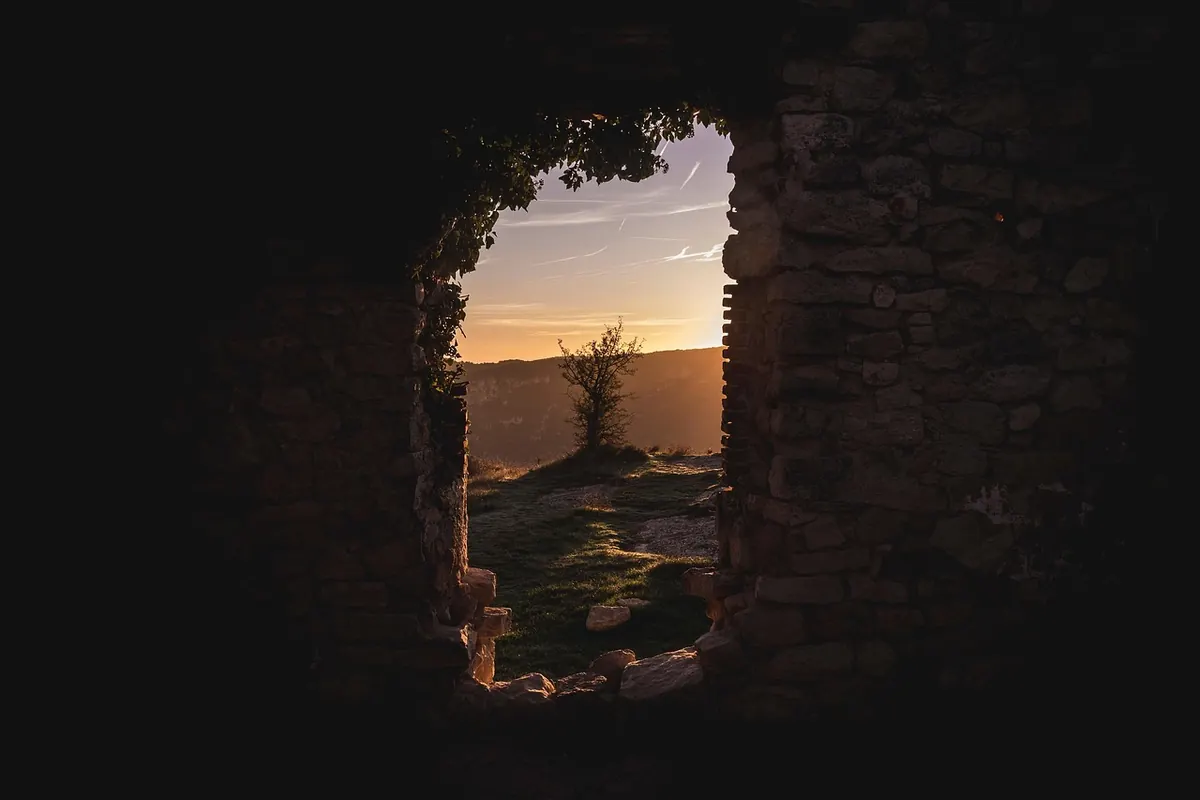
Photo: Xalapi / Pixabay
Shop signs, window displays and opening hours are quiet local records. Learning to read them shows how a...
Noticing the ordinary life around you is a skill, not a talent. A practical guide to watching routines, gestures and...

A practical guide to small-town Italian market manners: when to arrive, how to greet, how to choose produce without...

Reflections and stories from narrow streets..