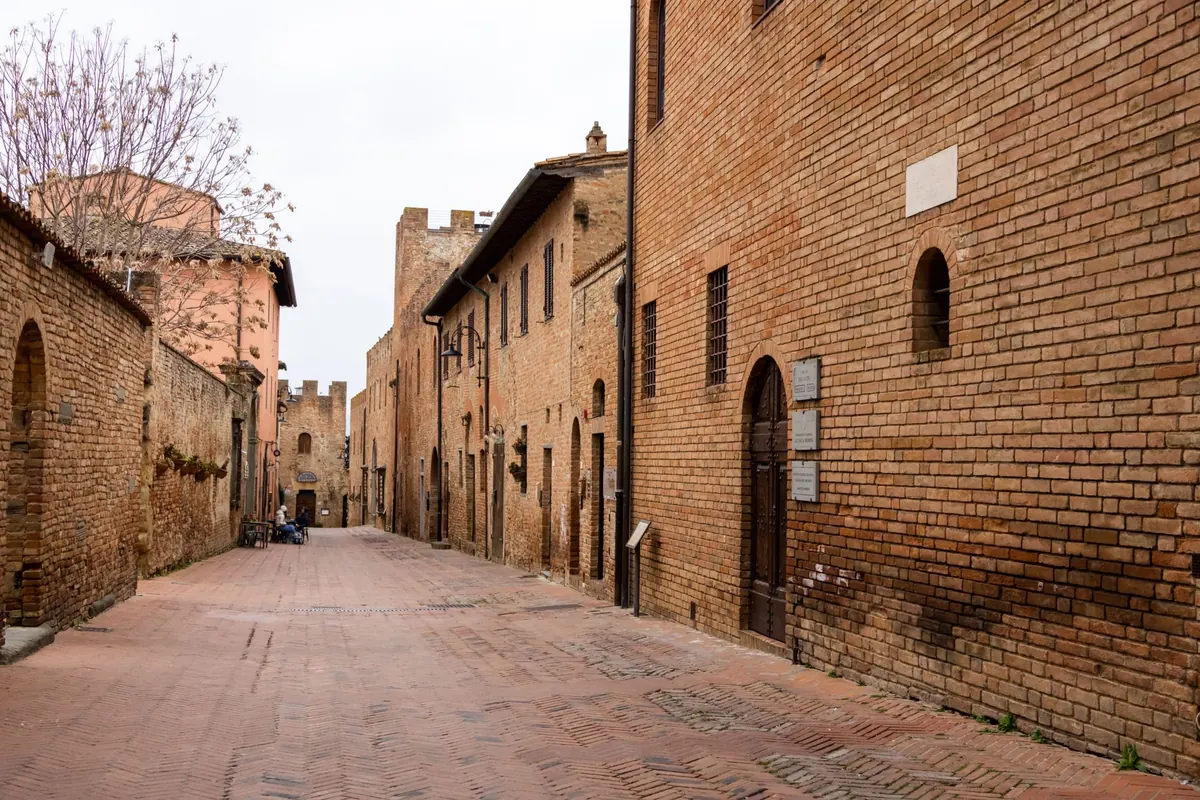
The bus stops at the edge of town and the driver gestures vaguely toward the centre. You walk five minutes, pass a bakery that closed at one, a bar with three men and a football match murmuring on a small television, and arrive in a piazza where nobody is doing anything in particular. This is the moment most visitors reach for a phone to find the nearest attraction. It is also the moment slow travel begins: not with a monument, but with the decision to stay put for a while and see what the place does when you stop hurrying it.
Small Italian towns reward that decision more than almost anywhere else. They are not scaled for speed. A town of four thousand people cannot fill three days of sightseeing, and trying to make it do so is the fastest way to find it dull. Slow travel is not a moral position or a personality type. It is a set of habits you can learn in an afternoon, and this guide is about the practical ones.
The core trade is simple: less coverage, more attention. Instead of three towns in four days, choose one and go deep. Instead of arriving at eleven and leaving at four, arrive in the evening and wake up there. Instead of asking "what is there to see here," ask "what happens here on a Tuesday morning."
That shift sounds soft, but it has real consequences for your itinerary. It means leaving gaps in the day on purpose. It means accepting that one afternoon will be, by any reasonable measure, boring — and resisting the urge to fix that with a train ride. Most people find the boredom lasts about forty minutes and then something better takes its place: a conversation, a longer walk than planned, a second coffee that becomes a two-hour stay.
The right size is bigger than a village and smaller than a city: somewhere you can walk end to end in twenty minutes, but that still has a grocery store, a pharmacy, and at least one bar that opens before eight in the morning. Below that threshold, life gets logistically thin, especially without a car. Above it, you are back in a place with traffic and a tourist menu.
Resist the urge to pick the most photographed small town in the region. The ones with a famous name tend to have a famous crowd. A town fifteen minutes further along the same train line usually has the same architecture, the same food, and a fraction of the visitors.
As a rough rule, give a small town three nights. The first day you are still travelling — you arrive with city speed in your shoulders, you walk the whole centre in an hour, you eat too early. The second day you begin to slow. By the third morning you know which bar makes your coffee, you have a favourite bench, and someone nods at you.
If you only have a weekend, use the same logic in miniature: one base, two nights, no day trips. The temptation to add a second town "because it's only forty minutes away" is exactly the impulse that makes a short trip feel thin.
Small towns keep hours that tourists often read as closures. Learn the rhythm and the day opens up.
Sunday deserves a warning. In many small towns most shops are shut, some restaurants close, and public transport thins out. Plan Sunday as a walking and cooking day, or check ahead.
There is a difference between observing a place and treating it as a diorama. In a small town you will be noticed within a day, which is not hostility — it is simply how information travels when there are four thousand of you. The fastest way to be treated normally is to be a repeat customer. Go to the same bar twice. Buy bread from the same shop. Learn five words and use them badly.
A few habits go a long way: greet people when you enter a small shop or a lift; ask before photographing anyone's face, especially older people and children; keep your voice at the level of the room; and if a church is open, cover your shoulders. Sit still in the piazza for twenty minutes without a screen. You will hear more of the town in that time than in an hour of walking.
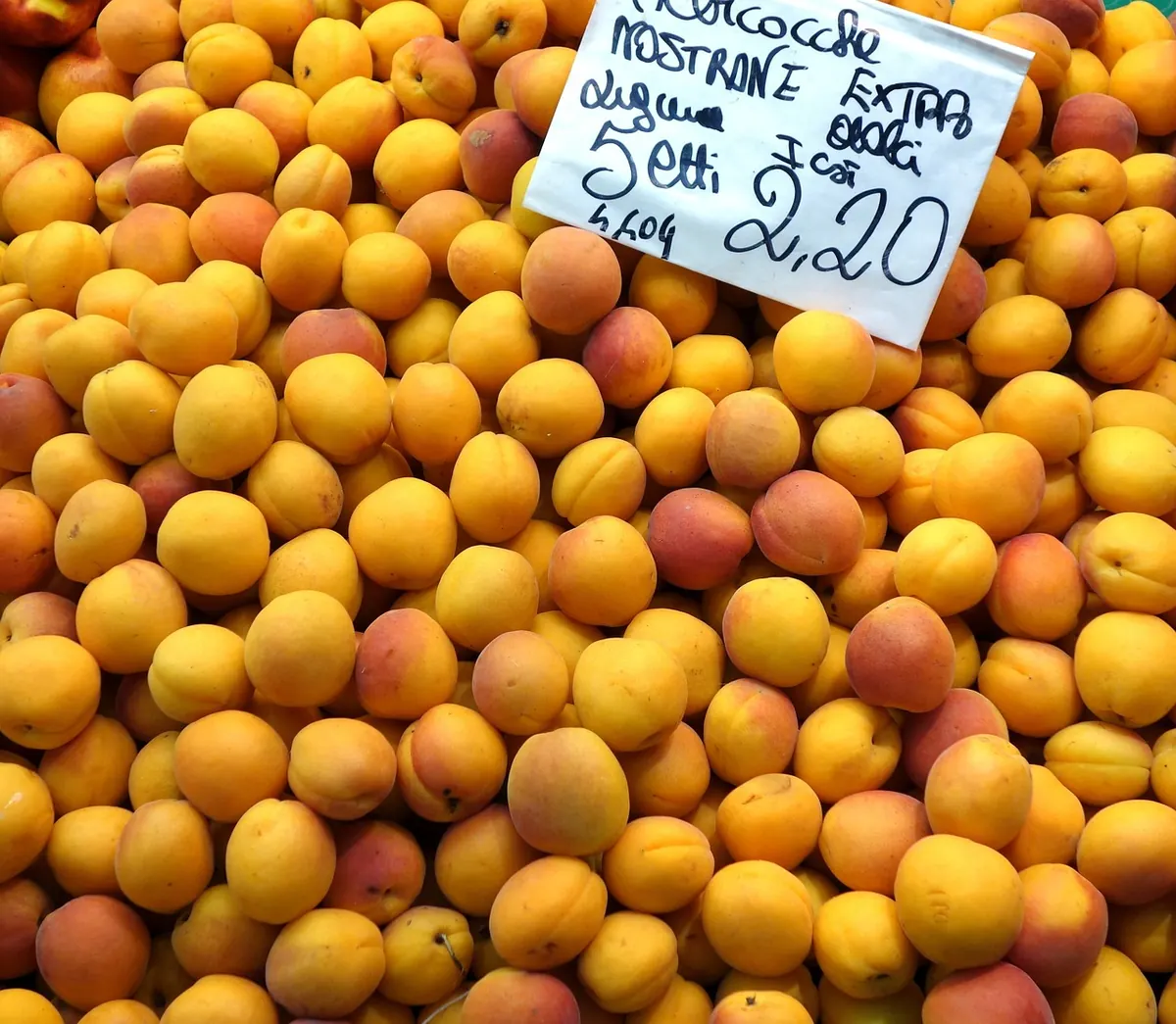
It will happen, probably on the second afternoon. The church is closed, the museum opens only on weekends, the one restaurant is shut. This is not a failure of the destination. Walk the perimeter of the old centre; small towns almost always have a road that follows the line of old walls. Find the cemetery, which in Italy is often at the edge of town, quiet and strangely beautiful, and where people still go to tend graves — behave accordingly. Take the path out of town toward the nearest field or river. Buy a peach and eat it on a step.
Later, these are the hours people remember. Not because something happened, but because nothing did and they were there for it.
Carry some cash; small shops and bars may not take cards for a two-euro coffee. If you buy a bus ticket at a tabaccheria rather than on board, validate it in the machine when you get on. If you are driving, read up on the town's limited traffic zone before you enter the centre — the cameras work and the penalties are not trivial. Check the last bus back the day before you need it, not on the evening you do. And keep your plans loose enough that a closed restaurant is an inconvenience rather than a crisis.
Pick a town with a station, a piazza, and a bakery. Book three nights. Arrive before dinner. On the first morning, go out at eight, order a coffee standing up, and walk the whole place once without a map. Then sit down somewhere visible and stay for half an hour. Do the same the next day. By the third morning you will have a routine, and a routine is what turns a visit into a memory.
Slow travel is not a technique you master. It is a small decision, repeated: to stay a little longer than feels efficient, and to look at what is actually in front of you rather than what you were told to see.
Photo: Riccardo Falconi / Pexels
Shop signs, window displays and opening hours are quiet local records. Learning to read them shows how a...
Noticing the ordinary life around you is a skill, not a talent. A practical guide to watching routines, gestures and...
A practical guide to small-town Italian market manners: when to arrive, how to greet, how to choose produce without...

Reflections and stories from narrow streets..